The Petrov Prize for Clutch People
Each year, the NBA awards the Jerry West Trophy for Clutch Player of the Year.
Jerry West’s nickname was “Mr. Clutch” because when a game got tight, he got better. When the stakes are high, some athletes get nervous. But a special few, like West, don’t shrink from responsibility; they welcome it. (*Sorry, I stole that line from John F. Kennedy’s inaugural address.)
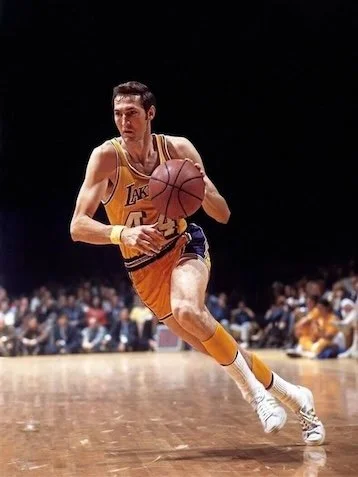
Mr. Clutch
This year, Shai Gilgeous-Alexander won the West Trophy. That’s fine—Shai’s great—but it’s a regular-season award. Now that the playoffs are over, and the New York Knicks are the champs, it’s ridiculous that Knicks star Jalen Brunson didn’t win it. (He won it last year.) If the award was given after the playoffs—when the games matter most—Shai should have won it last year, Brunson this year.

Jalen Brunson
Basketball recognizes clutch players like Shai and Jalen because they can shoot, pass, rebound, and make the right plays when their team needs them most.
Unlike basketball, we don’t talk about clutch people—I’ve never even heard anyone described that way. But some people are clutch, and they deserve to be recognized for it.
We could call their trophy the Petrov Prize, after Stanislav Petrov, one of the most clutch people ever.
Petrov was that military officer stationed inside a Soviet nuclear early-warning bunker when, in 1983, his computer alerted him that the United States had just launched five nuclear missiles at the USSR.
(Spoiler alert: The US hadn’t launched any missiles.)
If Petrov had panicked and passed the info up the chain of command, Soviet protocol mandated an immediate, massive retaliatory nuclear strike. (And I wouldn’t be writing this.)
But Stanislav Petrov was clutch. He figured that if the USA was really attacking, they’d fire a lot more than five missiles.
So he took a beat, methodically assessed the situation, detected a computer glitch, and we’re still here.
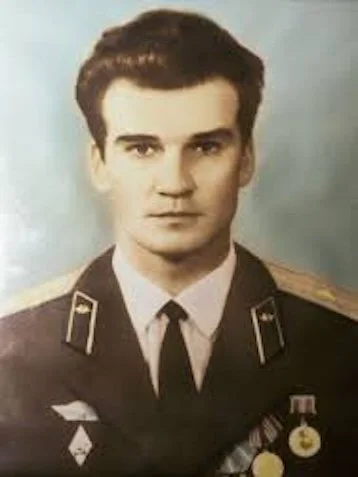
Stanislav Petrov: Absolute composure under global threat
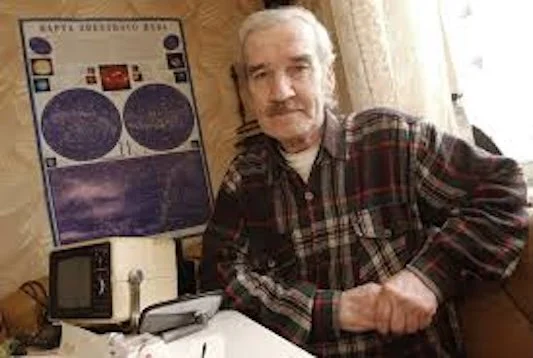
Stanislav Petrov: 1939—2017
So, if we handed out Petrov Prizes, what kind of person would deserve one?
Someone who, when stuff goes wrong, doesn’t act all crazy. Like the person who doesn’t lose it over a flat tire. A clutch person could be the one who changes it, but that alone might not qualify as clutch. If there’s whining and complaining, helping skills aren’t clutch. Clutch people don’t do that.
Clutch people are like the Australian lady’s voice on my Apple Maps app. If I miss a turn, even if she clearly told me to make it 10 seconds earlier, she doesn’t yell at me. She calmly tells me what to do next to get back on track.
When mistakes are made, clutch people accept them. They allow for learning and growth. When someone is trying hard, clutch people see it and appreciate the effort, even when someone messes up.
When mistakes are made, even big ones—especially with big ones—clutch people don’t think it’s the end of the world. Nobody wants to mess up, but when we do, we want to be in the presence of clutch people.
If, God forbid, someone is seriously injured, clutch people won’t freak out. If they can’t physically help, they’ll stay composed and find those who can.
We’re not afraid to tell clutch people big things. Even if they’re bad big things. We’re not embarrassed to tell them we’re in love (or out of love). We’re not afraid to tell them we’re making a large life change—changing jobs, moving across the country, going on Ozempic... (Well, maybe that last one isn’t such a big thing today.)
Clutch people are the people we want in our lives all the time, but especially when we need unruffled, discerning guidance.
Know any Petrov Prize nominees?
Are you one?